Why Scotland Stands at the Vanguard of the Global Wool Revolution
With 5,000–7,000 tonnes of Scottish wool produced annually, a new era is beginning for organic fertiliser and sustainable insulation far beyond textiles.
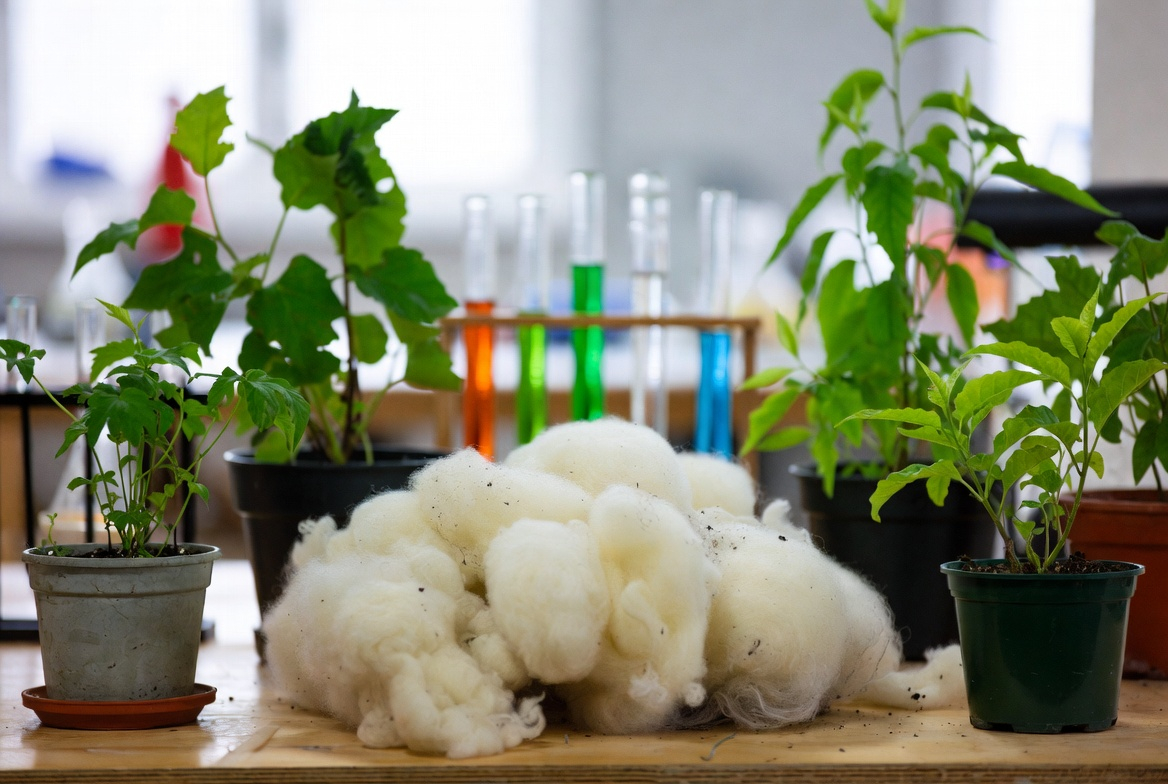
Combining biomass combustion ash with liquid wool hydrolysate creates a complete macro-nutrient profile while moderating soil pH.
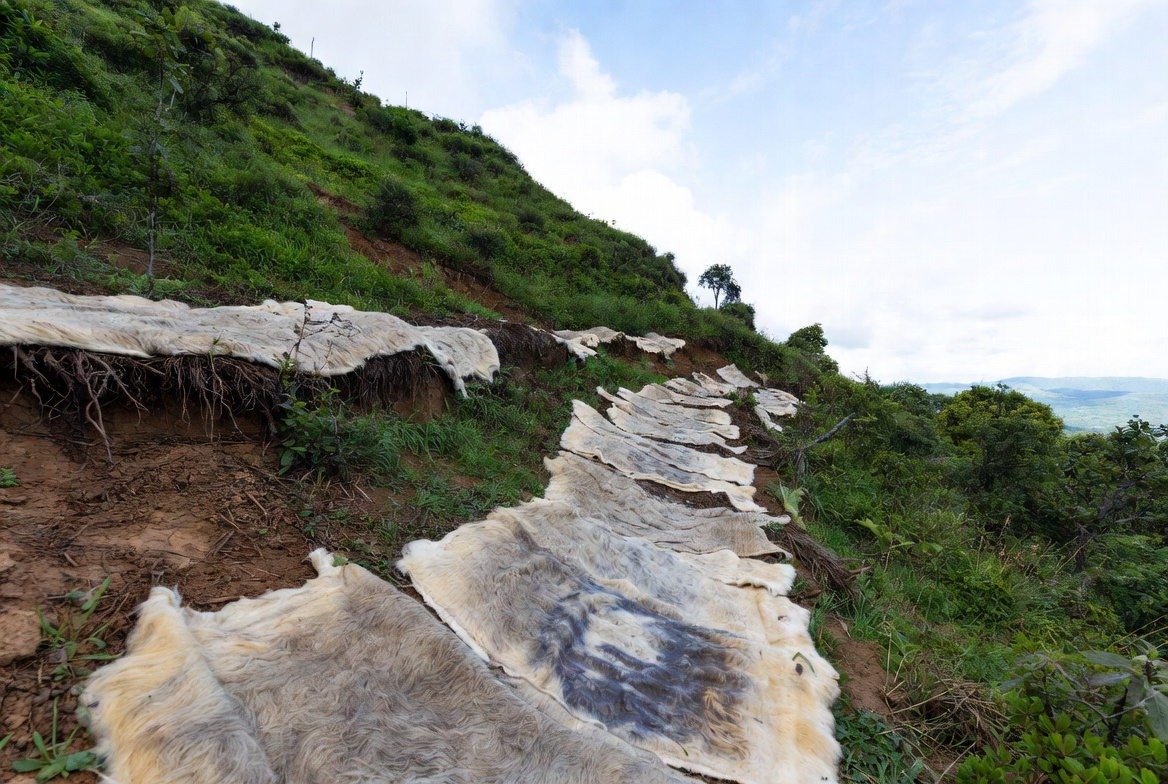
Erosion ControlKemp and Dougill's landmark upland UK study finds wool ECBs match initial synthetic mat performance while delivering a soil fertility dividend.
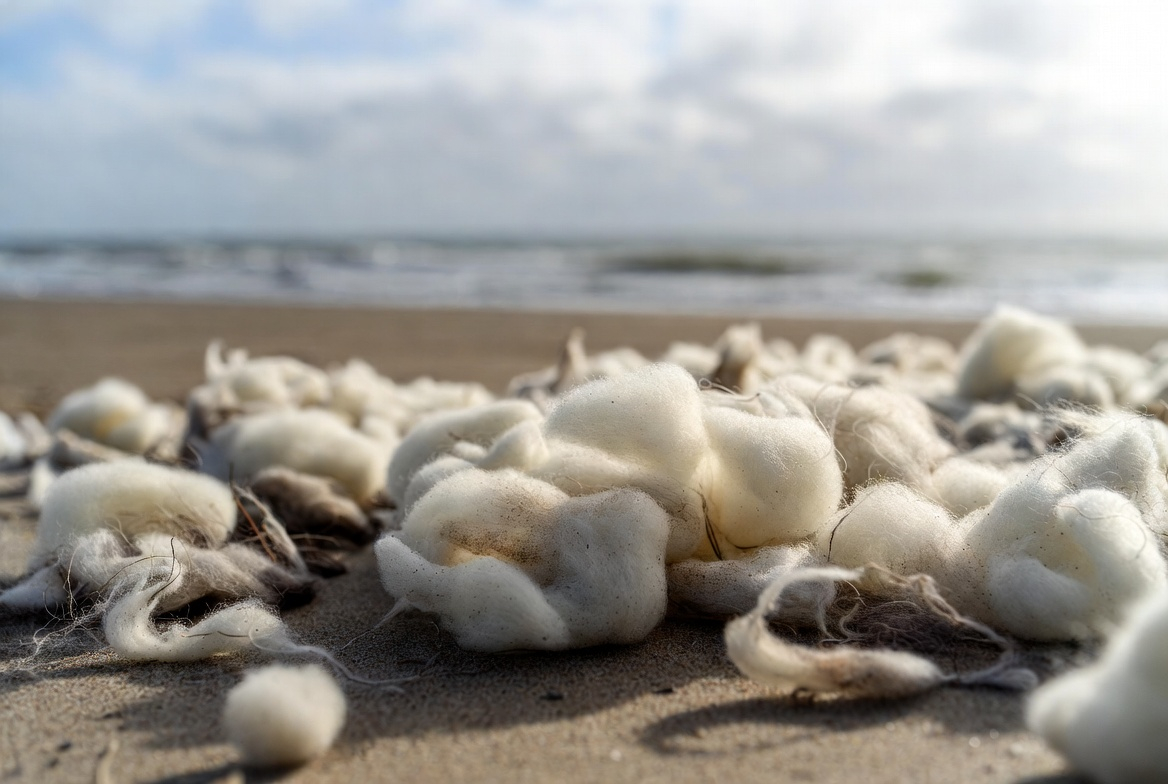
Marine & WaterSEPA data reveals Scotland's coastal water quality challenge. New research points to wool filtration barriers as a cost-effective intervention.
HorticultureA critical assessment sets a defensible 10–25% yield improvement target for Scottish conditions and explains why Utah's 50% figure should not be cited.
InsulationWith thermal conductivity of 0.033–0.040 W/m·K, wool insulation competes with mineral fibre alternatives while offering hygroscopic moisture regulation.
PolicyThe Agriculture and Climate Change Action Programme 2023–2025 explicitly supports organic nitrogen sources. We map wool valorisation against Scotland's statutory climate obligations.
| Property | Value / Range | Significance | Source |
|---|---|---|---|
| Nitrogen Content | 15–17% (dry weight) | Higher than composted manure; comparable to blood meal — with slow-release advantage | Parés-Sierra et al., 2021 |
| Water-Holding Capacity | 30–40% of dry mass | Critical for Scotland's well-draining upland soils and moisture buffering | Levin & Myers, 2013 |
| Soil Biodegradation | 1–5 years | Self-regulating N release in synchrony with growing-season soil activity | Parés-Sierra et al., 2021 |
| Heavy Metal Removal | 70–95% (Pb, Cd, Cu) | Effective biosorption for water treatment and riparian filtration | Šaravanja & Trstenjak, 2021 |
| Thermal Conductivity | 0.033–0.040 W/m·K | Comparable to mineral wool; with added hygroscopic moisture regulation | Korjenic et al., 2011 |
| Sediment Retention | 85–95% | Exceptional performance as a drainage channel filter barrier | Levin & Myers, 2013 |
15–17% nitrogen. 1–5 year release. Suitable for organic and conventional farms.
⛰ Erosion ControlFor Scottish hillslopes and coastal margins. Comparable to synthetic mats.
🌊 Marine & Water70–95% removal of Pb, Cd, Cu. Oil spill remediation.
🌱 Horticulture1.5–3°C root-zone buffering. 10–25% yield gains in cold climates.
🏡 InsulationNatural, breathable, hygroscopic. Ideal for traditional Scottish stone buildings.
♻️ Other SectorsEmerging sectors with significant circular economy potential.
🛒 ProductsUK-produced products shipped to farms and growers across Britain.
🔬 Research HubSRUC reports, Scandinavian trials and emerging research priorities.
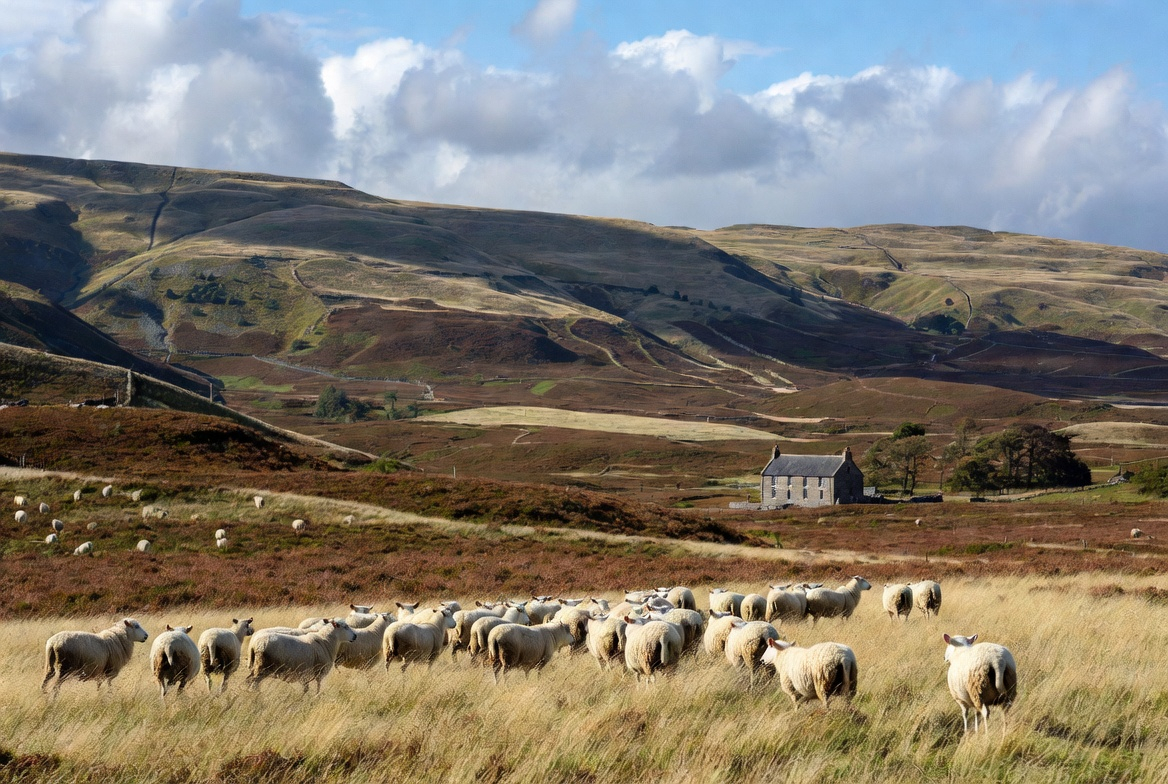
With an estimated 5,000–7,000 tonnes of sub-textile wool produced annually — much of it incinerated or landfilled — Scotland faces both a surplus crisis and an extraordinary opportunity. This comprehensive analysis draws on SRUC research, SEPA data and peer-reviewed field studies.
Multi-year data provides the most directly transferable evidence base to Scottish lowland horticulture, recording 10–22% yield increases.
Soil ScienceUnderstanding the soil microbial ecology of wool decomposition is essential for predicting mineralisation rates across Scotland's diverse soil profiles.